Exploring the psychology of gambling why do we love casinos
The Allure of Chance
At the heart of why people love casinos lies the thrill of chance. The unpredictable nature of gambling caters to our fascination with risk and reward. Humans are inherently wired to seek excitement, and casinos encapsulate this adrenaline-pumping experience. Moreover, for those who enjoy playing online, there are many real money online casinos in australia. Every spin of the slot machine or roll of the dice offers the tantalizing possibility of a big win, igniting our sense of adventure.
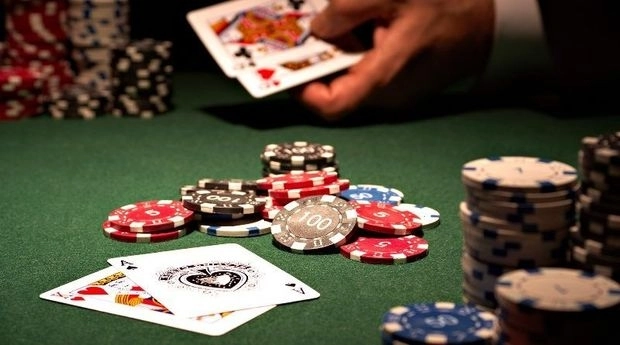
This allure is deeply psychological; engaging in risky behavior can trigger dopamine release in the brain, creating feelings of pleasure and satisfaction. This chemical reaction reinforces the desire to return to the casino, as the memory of past wins and the hope of future successes can become compelling motivators. Unknown factors can impact an individual’s approach to gambling, making it an intriguing subject for exploration.
The Social Aspect of Gambling
Another significant factor in our love for casinos is the social environment they provide. Casinos function as social hubs where people gather to share experiences, celebrate victories, and bond over the highs and lows of gambling. The communal atmosphere can lead to a sense of belonging, as players often engage with friends or meet new people who share similar interests.
This social interaction can be just as important as the gambling itself. Many individuals view their casino visits as opportunities for entertainment and socialization, where the games become a backdrop for laughter and camaraderie, enhancing the overall enjoyment of the experience.
The Design and Ambiance of Casinos
The physical design of casinos plays a pivotal role in attracting patrons. Mood lighting, vibrant colors, and the sounds of spinning reels and ringing coins create an environment that is both stimulating and inviting. This carefully crafted ambiance can draw players in and keep them engaged longer than they initially intended.
Moreover, the layout of many casinos is designed to disorient, making it easy for patrons to lose track of time and place. This design strategy encourages longer stays, as players immerse themselves in the exhilarating experience, often forgetting about their initial plans or limits.
The Illusion of Control
One of the intriguing psychological aspects of gambling is the illusion of control. Players often believe that they can influence the outcome of a game through strategies or rituals. This belief, whether grounded in reality or not, enhances their engagement and attachment to the game.
This illusion can lead to a phenomenon known as the “gambler’s fallacy,” where players believe that past outcomes can affect future results. Such cognitive biases can compel individuals to continue gambling in hopes of regaining lost bets or achieving a long-desired win, adding a layer of complexity to their gambling experience.

New Horizons Learning Centres
At New Horizons Learning Centres, we understand the diverse interests that motivate individuals, including their engagement with the complex world of gambling. Our commitment to personal and professional development extends to offering courses that explore various elements of psychology, including behavior patterns associated with gambling.
Whether you are looking to understand the psychological underpinnings of gambling or wish to pursue a different career path, our extensive catalogue provides an array of options to help you advance your skills and knowledge. Discover how our tailored training solutions can empower you to better navigate both your professional landscape and personal interests.